Ecommerce logistics is now essential to guarantee a good customer experience and build loyalty to your brand. Its role is fundamental to the smooth operation of an online business, which is why investing in strong logistics will help you stand out from the competition. To achieve this, you need to choose the best partner, not only to ensure fast product delivery but also to improve customer satisfaction.
What does ecommerce logistics mean?
When we talk about ecommerce logistics, we refer to all the processes required for your products to reach the end customer. It is the system that ensures every order received by an online store is delivered quickly and efficiently.
This process includes everything from inventory management and storage to delivery and even returns management. In other words, it involves all the means and methods necessary for you to distribute your products as efficiently as possible, which requires careful planning.
Ecommerce logistics companies not only ship your customers’ orders, but also prepare orders, manage returns, and resolve incidents. The process is complex, as the growth of online sales requires constant improvements in logistics efficiency: we must offer comprehensive and specialized logistics solutions to truly meet consumer expectations.
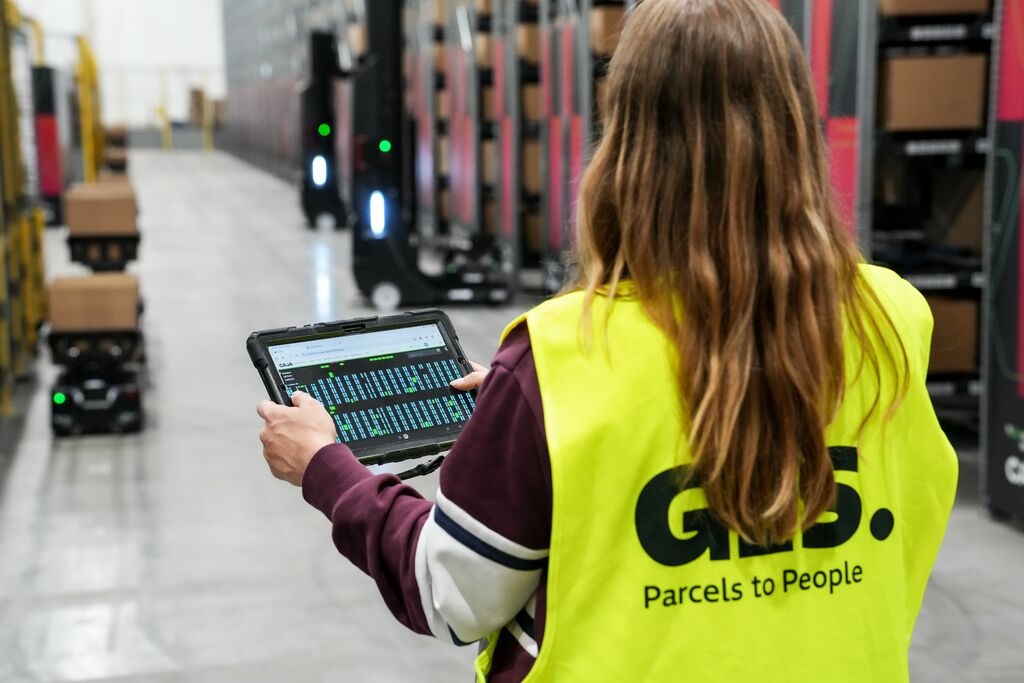
In this sense, we can talk about fulfillment in logistics, a term that encompasses the complete set of operations aimed at the successful delivery of an order from start to finish: order reception, inventory management, order picking and packing, shipping, and final delivery to the customer. Its goal is timely and efficient delivery, ensuring your customers receive their products in optimal condition. To achieve this, a fulfillment company relies on various advanced techniques and technologies to minimize errors and guarantee high standards of excellence.
The word “fulfillment” can be translated as “completion” or “fulfillment”, and this is the direction ecommerce logistics services are heading, as this is exactly what online businesses like yours need to guarantee customer satisfaction.
Difference between B2B and B2C logistics
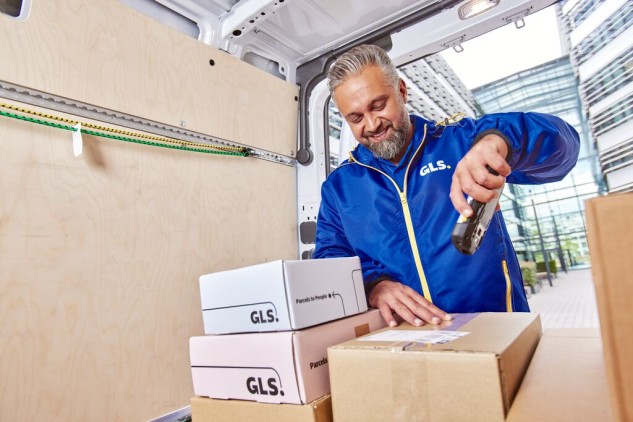
The consumer market has changed significantly in recent years with the growth of ecommerce. This has also affected business logistics. While B2B logistics focuses on moving large volumes of products between factories, wholesalers, and physical stores, ecommerce logistics focuses on handling individual orders and direct-to-customer delivery. This leads to several key differences:
- In B2B logistics, full loads are delivered, while ecommerce logistics mainly handles parcels and small-sized goods.
- Traditional logistics customers are usually known and loyal, whereas ecommerce customers are variable, unknown, and less loyal.
- The flow of goods in B2B logistics is regular, predictable, and clear, while ecommerce logistics deals with irregular, complex, and difficult-to-predict flows.
- The destination in B2B logistics is usually businesses or physical stores, while ecommerce logistics mainly serves individual consumers.
- Demand is more stable in traditional logistics, whereas online sales are subject to fluctuations and seasonality (demand peaks can be extremely high during periods such as Christmas, sales seasons, Black Friday, etc.).
These characteristics highlight the importance of ecommerce fulfillment, as comprehensive and efficient logistics management is key for your online business to remain competitive.
How to choose the best ecommerce logistics company?
Outsourcing ecommerce logistics is the best decision for online businesses, as it requires lower investment, provides greater logistics specialization, allows better scalability, and guarantees a lower risk of incidents when shipping orders to your customers.
However, hiring the best ecommerce logistics service requires planning. You must assess your needs and consider several criteria when choosing the right partner.
Technology integration
One of the advantages of having an ecommerce fulfillment service is access to advanced management systems that allow you to optimize inventory management, reduce delivery times, and minimize shipping errors.
Ideally, you should choose a company that offers integration with your ecommerce platform to automate orders, track them in real time, and improve your logistics planning.
Speed and flexibility in the last mile
When choosing a logistics partner, it is important that they can adapt to your customers’ needs. Offering flexibility to change the delivery location, time, or date improves customer satisfaction.
In addition, an operator that provides short delivery times and meets deadlines enhances your online business reputation.
Shipping destinations and coverage
Choose a transport operator that allows you to scale your business and manage deliveries both nationally and internationally. In addition, they should have a unified management and tracking system that provides complete traceability from origin to destination, regardless of whether your sales take place in Spain or abroad.
Returns options
Transparency in the returns process is essential to build trust among your customers. This means choosing an ecommerce logistics company with an agile returns management system and solutions such as prepaid return labels, accessible return points, and fast refund or exchange processes.
By choosing a fulfillment service in Spain such as GLS, you ensure clear incident management protocols, excellent customer service, and a returns policy with options tailored to your customers’ needs.
Experience in ecommerce and marketplaces
Of course, working with a company that has a strong reputation in the logistics market also improves your customers’ experience. Checking whether the company has the capacity to meet delivery deadlines, manage incidents, and offer customized solutions will help you select the best partner for your ecommerce logistics service.