Choosing how to manage logistics can make the difference between an e-commerce business that is easy to scale and one that starts facing challenges as order volumes increase. But what happens when you have to decide between holding inventory and managing order fulfilment, either in-house or through outsourcing, or operating without your own stock and letting the supplier ship directly to the customer?
The difference between fulfillment and dropshipping mainly lies in who manages the inventory and how the process is organised from the moment the customer places an order until they receive it. Understanding the characteristics of both models is essential to determine which one best suits the needs of each business.
Key Differences Between Fulfillment and Dropshipping
Although fulfillment and dropshipping are both models used to manage e-commerce logistics, they work in different ways.
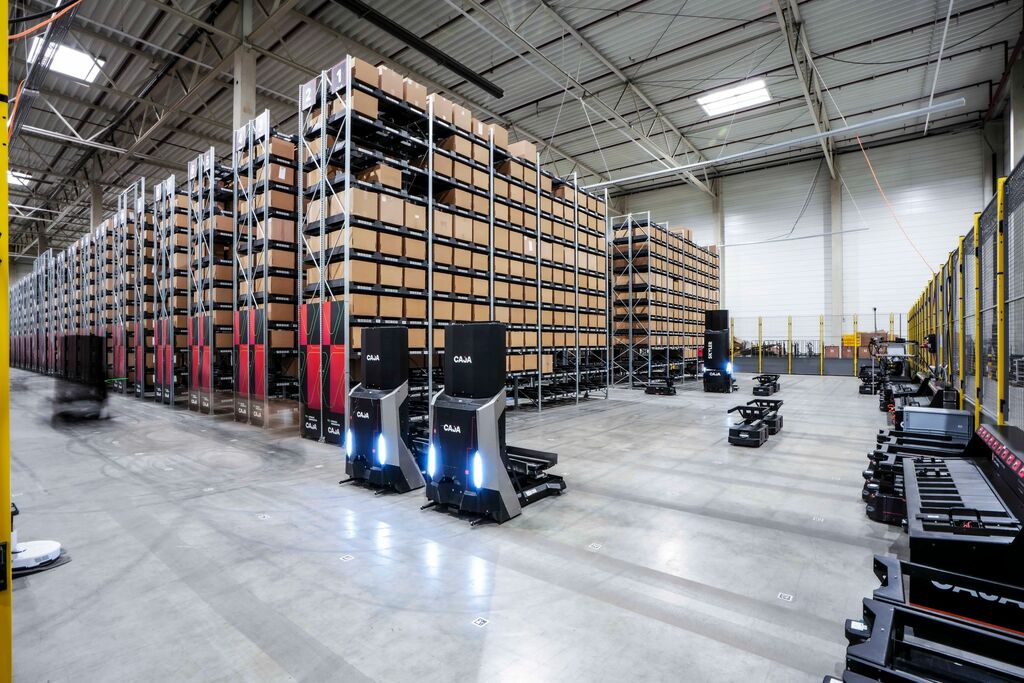
In a fulfillment model, the e-commerce business stores its inventory in its own warehouse or in an outsourced facility. When an order is received, it is picked, packed and handed over to the carrier for delivery to the customer.
By contrast, with dropshipping, the e-commerce business does not need to physically store products. When a customer makes a purchase, the order is forwarded to the supplier, who prepares and ships the item directly to the end consumer.
Inventory Management
Inventory management is one of the most obvious differences between the two models. With fulfillment, the seller needs to hold inventory and manage aspects such as stock intake, dispatch and replenishment.
On the other hand, dropshipping allows businesses to sell products without maintaining their own physical inventory. This reduces storage requirements, although it also makes the business dependent on the supplier’s stock availability and operational capacity.
Control Over Quality and Shipping Times
With fulfillment, the e-commerce business has a greater ability to oversee how each order is prepared and packaged. If this part of the process is outsourced, the company can still establish specific procedures with its logistics provider.
With dropshipping, a large part of the customer experience is left in the supplier’s hands. As a result, packaging quality, order preparation and dispatch times will depend on the supplier’s processes and capabilities.
This difference can be particularly significant when the delivery experience forms part of the brand’s value proposition.
Margins and Cost Structure
Dropshipping can reduce certain initial costs associated with warehousing and inventory management, as the seller does not need to purchase and store large quantities of products before making sales.
However, this does not necessarily mean it is always more profitable. Product margins, supplier agreements, shipping costs and other associated expenses will determine the final result.
In a fulfillment model, the cost structure may include storage, order preparation and logistics management. In return, the e-commerce business can benefit from greater control over its operations and inventory organisation.
Customer Experience
The shopping experience does not end when the customer completes the payment. Delivery times, the condition of the order, packaging quality and the handling of potential issues are also part of the service.
For this reason, fulfillment can provide greater control over these elements. With dropshipping, maintaining a consistent customer experience requires working with suppliers that can meet the standards established by the brand.
Business Scalability
Both models can support business growth, but they do so in different ways. Dropshipping allows businesses to expand their catalogue without having to purchase and store each product in advance.
Fulfillment, meanwhile, can be particularly attractive for businesses that already manage a significant volume of orders and require operations that are prepared for further growth. Outsourcing selected tasks allows the e-commerce business to focus on sales, marketing and product development while a specialised logistics provider manages part of the logistics process.
Which Model Is More Profitable Depending on the Type of E-commerce Business?
There is no universal answer to the question of which model is more profitable. The choice depends on the type of products sold, sales volume, available margins, storage capacity and the level of control the business wishes to maintain.
Dropshipping can be especially appealing for businesses that are validating products or looking to start with a lighter logistics structure. It can also make it easier to expand a product catalogue without initially taking on the cost of storing every SKU.
On the other hand, fulfillment may be more suitable for e-commerce businesses that have already established their catalogue and require professional inventory and order management. It may also be a better fit when speed, presentation and control over the delivery experience are important aspects of the brand.
Fulfillment or Dropshipping: Key Factors for Making the Right Choice
When deciding between the two models, it is important to analyse the entire operation rather than focusing solely on storage costs. Before making a decision, consider:
- Order volume: How much are you currently selling, and how much growth do you expect?
- Product type: Size, weight, turnover rate and any special handling requirements.
- Margin: How much can you allocate to storage, order preparation and transportation?
- Logistics control: What level of oversight do you want to maintain over your orders?
- Customer experience: How important are delivery times, packaging and returns management?
- Growth capacity: Whether your current structure can absorb increasing order volumes.
Ultimately, understanding the difference between fulfillment and dropshipping enables businesses to make logistics decisions that are better aligned with the realities of their e-commerce operations. Dropshipping reduces the need to manage inventory and can make it easier to launch a new venture, while fulfillment offers greater control over stock, order preparation and the delivery experience.
Therefore, the best option is not necessarily the one with the lowest upfront costs, but the one that achieves the right balance between investment, control, margins and growth potential according to the specific needs of each business.